
Updated 31 October 2026. Brent’s January contract, now the front month, settled at $113.43 a barrel on Friday 30 October, up $2.63, after the December contract expired at $117.64 (+$2.76, 2.4 percent). WTI settled at $104.12 (+$2.12). Brent finished October up 13.6 percent and WTI up 15.2 percent, the highest levels since late April (Reuters via CNBC). Verdict: the week ahead opens with an OPEC+ meeting on Sunday, then the 3 November US midterms and the 6 November jobs report, while the Strait of Hormuz keeps the risk premium in the price. Reference levels: $106 below, $120 above.
Key facts
- Price: Brent January settled at $113.43 (+$2.63) on 30 October; the expired December contract settled at $117.64 after touching $118; WTI settled at $104.12, up 2.08 percent (Reuters via CNBC).
- The month: Brent rose 13.6 percent in October and WTI 15.2 percent, a fourth straight monthly gain for both (Reuters via CNBC).
- The roll: with December gone, every Brent quote from Monday refers to January, about $4 below Friday’s December settlement. That gap is the contract change, not a market move.
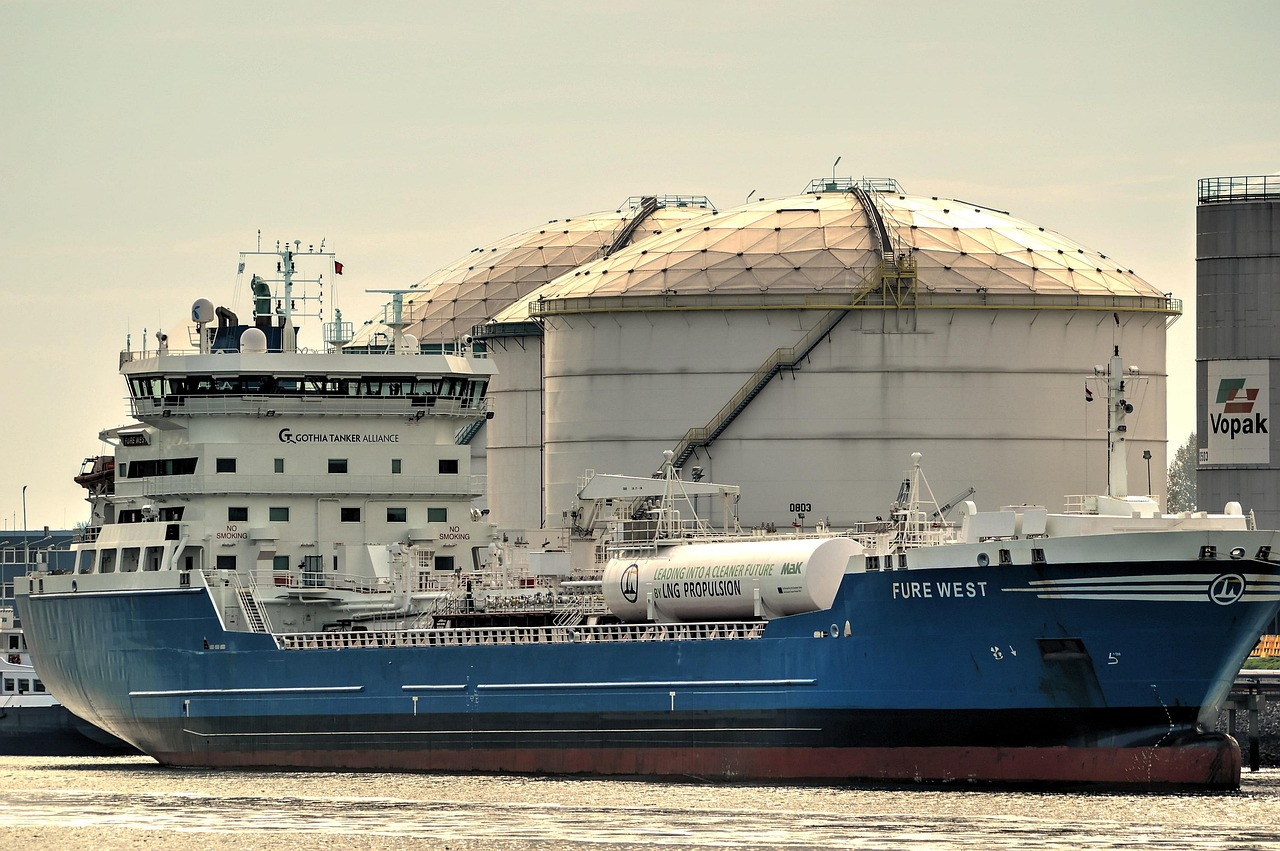
- Hormuz: a tanker in the Strait of Hormuz was struck on Friday by explosive devices attached by a small boat, according to UKMTO; maritime sources called it the first known successful limpet-mine strike in the waterway since the US-Israeli war with Iran began in February. The attacker was not identified (Reuters via CNBC).
- Disputed mine claims: Iran’s Revolutionary Guards said on Thursday that tankers hit mines on a southern route around the strait; US Central Command rejected the claims and said the main transit routes had been cleared (see our Friday Brent page).
- OPEC+ on Sunday: seven core members – Saudi Arabia, Russia, Iraq, Kuwait, Algeria, Kazakhstan and Oman – meet online on 1 November and are likely to keep December output targets unchanged, three sources told Reuters on 27 October; no final decision had been made.
- Diplomacy: Qatari mediators returned to Tehran on Friday to work toward a US-Iran deal. Iran has received a letter from US Vice President JD Vance but has not replied, according to the Tasnim news agency (Reuters via CNBC).
Why Brent ended October near six-month highs
October’s gain came from the sea lanes, not from demand. The month started with Brent near $100-$102 a barrel (Investing.com historical data for 1-7 October) and ended above $113 on the new front month, as incidents around Hormuz and Houthi strikes on Saudi Arabia piled up. On Thursday the Houthis said they attacked the Ras Tanura and Rabigh refineries and an Aramco production facility at Abqaiq; a Saudi-led coalition said it intercepted a cruise missile aimed at the kingdom’s west. The US had already ordered non-emergency government staff to leave Saudi Arabia from 23 October (Reuters via CNBC).
Friday’s limpet-mine report matters more than the earlier, disputed mine claims because UKMTO, not Tehran, is the source. Shipping insurers price incidents, and this one is confirmed. “Traders will remain focused on oil flows out of the Middle East and the likely escalation by US and allied forces,” said Dennis Kissler, senior vice president of trading at BOK Financial (Reuters via CNBC).
There were smaller supply items too: an armed group shut a valve on Libya’s Hamada pipeline, halting about 15,000 barrels per day, and the US oil rig count rose by two (Reuters via CNBC).
The week ahead: OPEC+, midterms, jobs
Sunday 1 November – OPEC+. The Reuters sources expect December targets to stay unchanged. The group’s attention is turning to 2027 quotas, and Gulf members have been raising exports disrupted by the war, though most still pump well below their targets (Reuters, 27 October). A hold would be read as neutral; any surprise in either direction would set Monday’s open.
Tuesday 3 November – US midterms. Saxo Bank flagged the midterms and Israel’s recent elections as sources of oil volatility over the next two weeks. Saxo expects crude to trade at $70-$90 a barrel even after the conflict ends, against $60-$70 before the war (Reuters via CNBC).
Friday 6 November – October jobs report, due at 8:30 am ET under the BLS release schedule. Higher oil feeds the inflation data that has kept Fed hike bets alive, which is also why gold slipped below $4,000 this week (see our Friday gold page).
Brent week ahead: bull, base and bear
| Scenario | Brent (January) | What has to happen | Anchor |
|---|---|---|---|
| Bear | $106 | Tehran answers the Vance letter or the Qatari mediation produces a framework, no new confirmed incident follows Friday’s limpet-mine strike, and OPEC+ signals more barrels as Gulf exports recover. | About 6.5 percent below Friday’s $113.43 settlement; still above the $100-$102 Brent traded at in early October. |
| Base | $110-$117 | OPEC+ holds, incidents continue at the current pace without a closure of the main transit routes, and talks stay stalled. | Just below Friday’s settlement up to the area where December expired. |
| Bull | $120 | A second confirmed mine strike, damage to a main transit route or further hits on Saudi facilities force a wider halt in Gulf shipping. | About 5.8 percent above Friday’s settlement and above December’s $118 intraday high. |
The bear case sits below Friday’s settlement. These are reference levels measured from the verified January settlement, not forecasts.
What to watch
- Sunday’s OPEC+ statement: a hold on December targets is the expected outcome; any change sets Monday’s open.
- UKMTO notices: whether Friday’s limpet-mine strike is followed by others.
- Tehran’s reply to the Vance letter and the outcome of the Qatari visit.
- The $118 level: December’s intraday high on Friday; a January settlement above it would mark a new high for the move.
Quick take: Brent’s January contract settled at $113.43 on Friday after December expired at $117.64, capping a 13.6 percent October. The week ahead runs from Sunday’s OPEC+ meeting, expected to hold output, through the 3 November midterms to the 6 November jobs report. Expect $110-$117; $106 needs a diplomatic opening, $120 needs another confirmed hit on Gulf shipping.
FAQ
What is the Brent crude oil price today?
Brent’s January contract settled at $113.43 a barrel on Friday 30 October 2026, up $2.63. Markets are closed at the weekend, so that is the latest price until trading resumes (Reuters via CNBC).
Why did Brent fall from $117 to $113?
It did not. The December contract expired on Friday at $117.64, and the January contract, which settled at $113.43, is now the benchmark. Both rose on Friday.
How much did oil rise in October 2026?
Brent rose 13.6 percent and WTI 15.2 percent, a fourth straight monthly gain, to the highest levels since late April (Reuters via CNBC).
When does OPEC+ meet?
Seven core OPEC+ members meet online on Sunday 1 November. Three sources told Reuters the group is likely to keep December output targets unchanged; no final decision had been made.
What is the WTI price?
WTI settled at $104.12 a barrel on Friday, up $2.12 or 2.08 percent (Reuters via CNBC).
What happened in the Strait of Hormuz on 30 October?
UKMTO said a tanker was struck by explosive devices attached by a small boat. Maritime sources called it the first known successful limpet-mine strike in the waterway since the war began in February.
Where could oil trade after the war?
Saxo Bank expects $70-$90 a barrel even after the conflict ends, above the $60-$70 range before the war.
Disclaimer: This article is for informational purposes only and does not constitute financial or investment advice. Commodity prices are volatile. Do your own research and consult a licensed financial adviser before making investment decisions.